

$15.58 each
Available
Please note Whilst all care has been taken to provide you with a good indication of colour, you should always sight product samples before use, due to natural variations in Colours & Sizes. Products may vary from image provided.
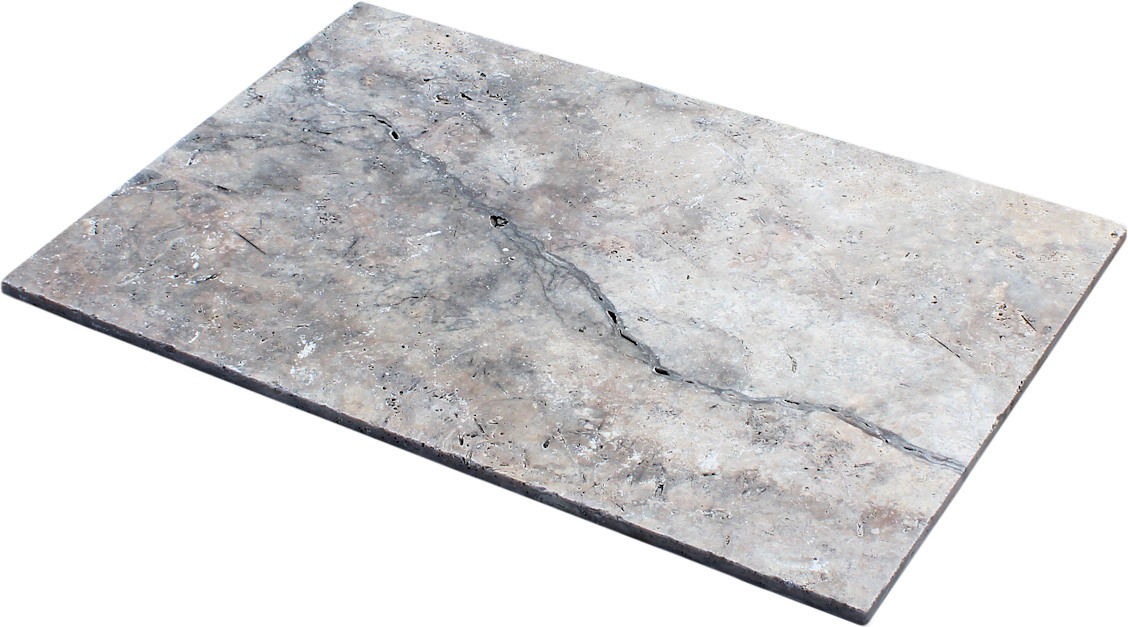
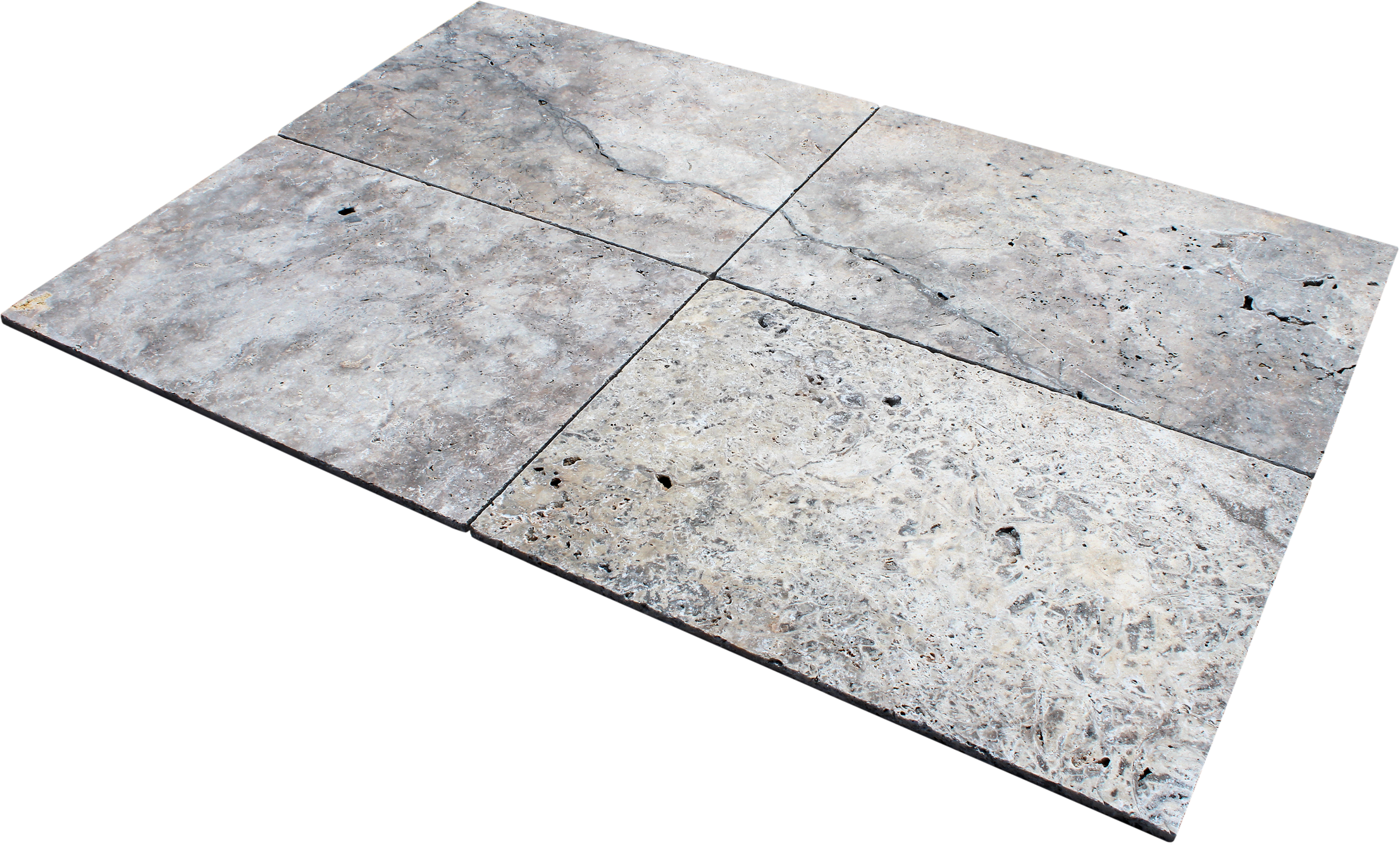
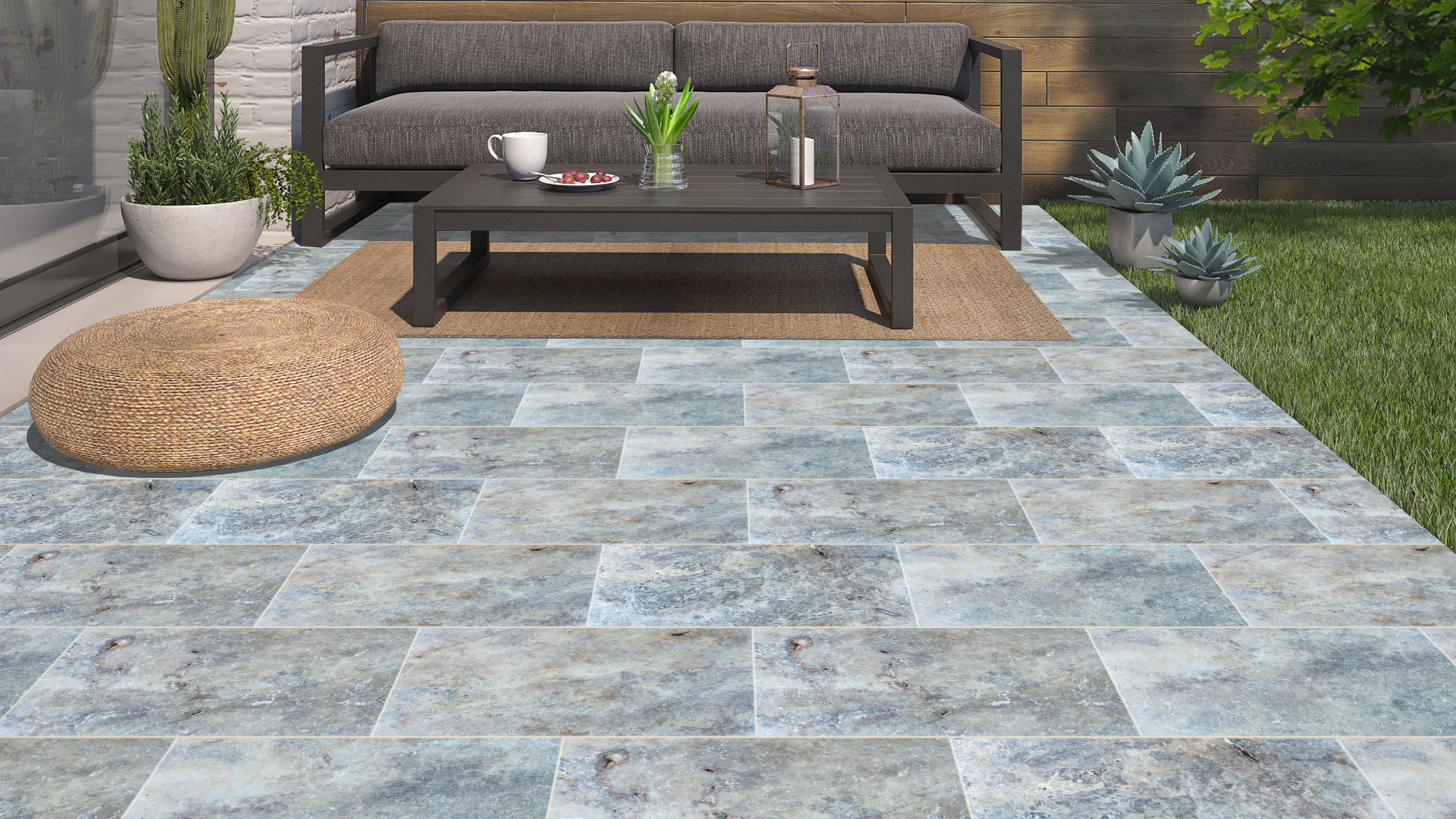
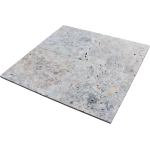
Antique Silver Travertine
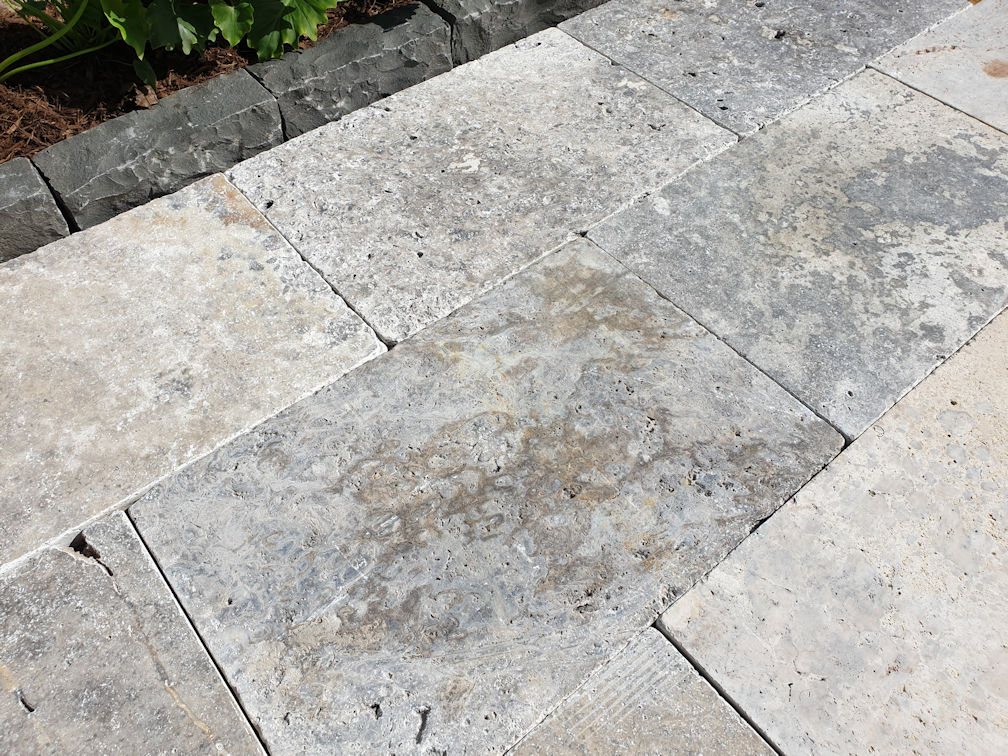
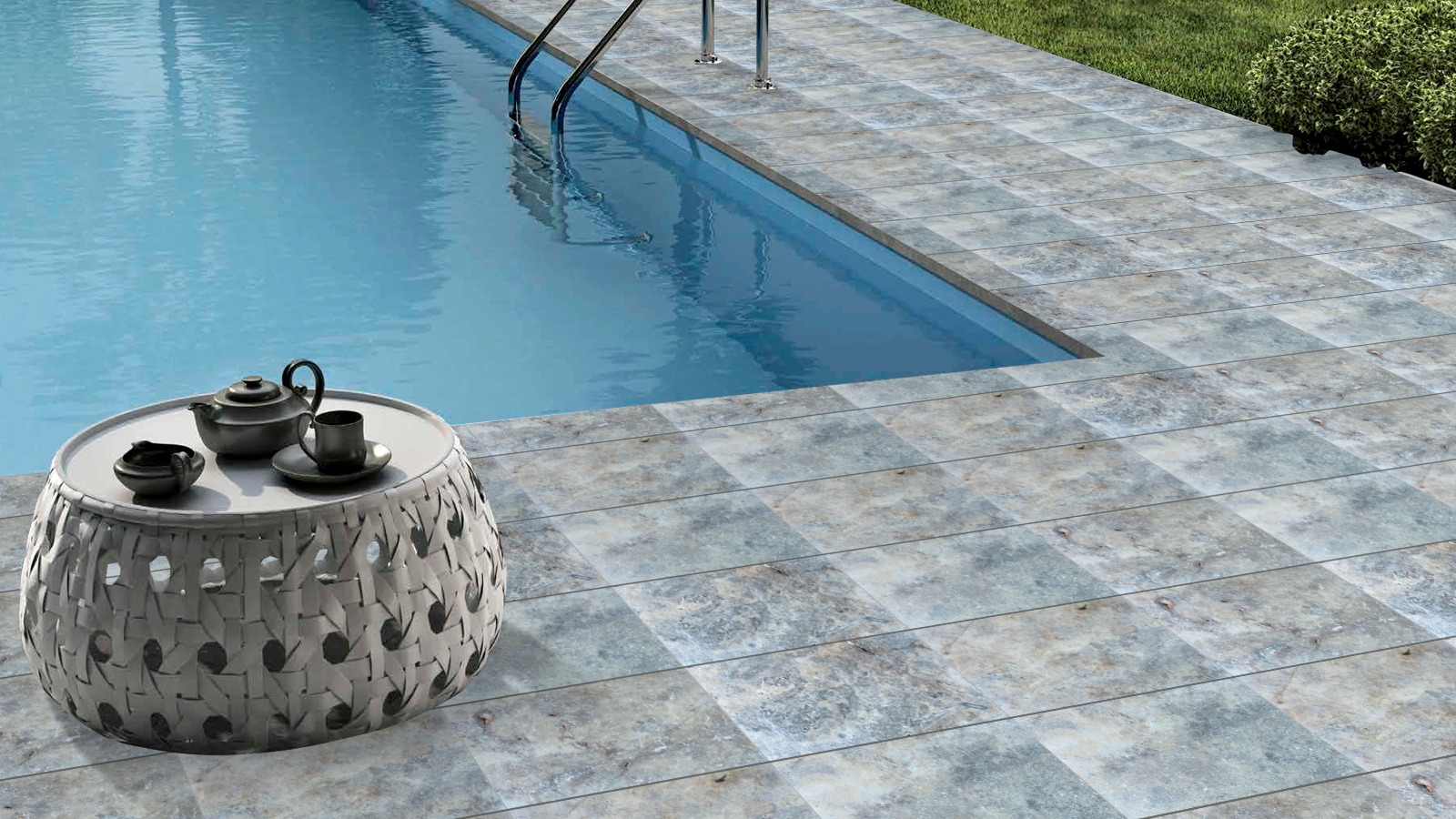
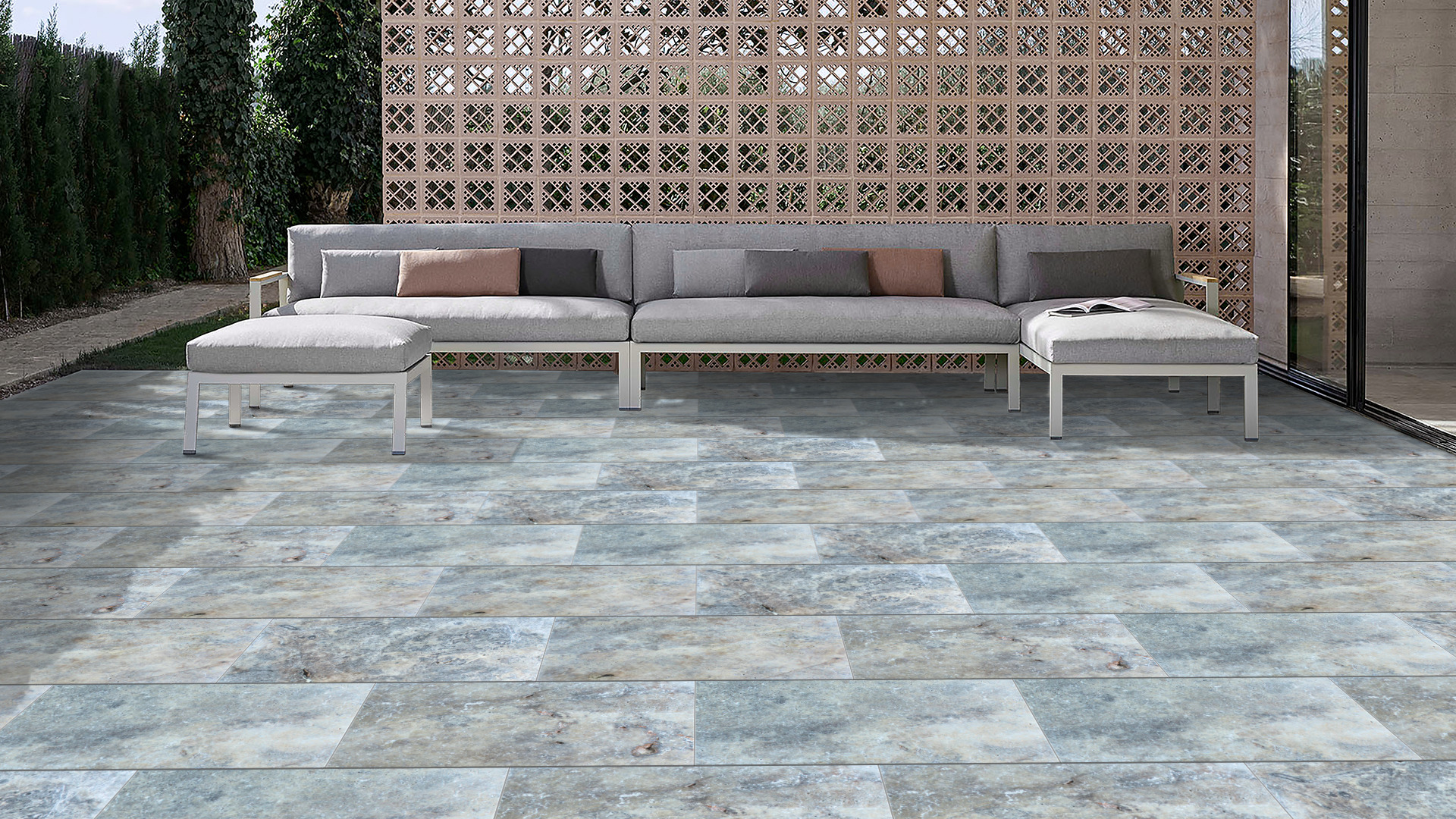
Antique Silver Travertine combines cool silver-grey tones with subtle beige, brown and soft charcoal variation. The balanced blend of warm and cool undertones creates depth and visual interest, making it well suited to contemporary and architectural landscapes. Antique Silver pairs effortlessly with concrete, darker joinery, metal finishes and modern outdoor designs.
Formed naturally over thousands of years through mineral deposits from natural springs, travertine is a dense and durable natural stone suitable for Australian outdoor environments. Its natural composition and tonal variation provide a refined and timeless paving option for both residential and commercial landscapes.
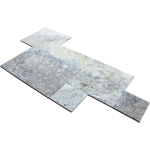
Each piece features natural variation in tone, veining and movement, ensuring every installation is unique. Available in pavers, tiles, pool coping and French Pattern sets, Antique Silver Travertine provides a versatile and sophisticated paving solution suited to modern outdoor spaces.
Features
Also Available
Natural Stone Disclaimer
Due to the nature of natural stone, variations in appearance, colour, texture, grain, shape, size and markings are to be expected. No two pavers or tiles will be identical — this natural variation is what gives stone its unique beauty and character.
It is recommended to blend tiles or pavers from multiple crates prior to installation to ensure a balanced and consistent overall appearance.
Products have an acceptable size tolerance of up to ±2.5mm. For best results, pavers should be arranged by thickness and installed with an appropriate grout joint.
Minor chipping and natural markings are considered acceptable characteristics of natural stone. It is the responsibility of the installer or purchaser to inspect all tiles or pavers prior to laying. Claims will not be accepted once products have been installed.
Excessive chipping, structural cracks, or significant size variation may be eligible for assessment and claim.
We strongly recommend sealing all pavers and tiles after installation.
Travertine Material Characteristics
Travertine is a naturally porous limestone formed by mineral deposits from natural springs. Small surface pores and voids are inherent characteristics of the stone and contribute to its natural appearance.
During manufacturing, many of these pores may be filled, however some may remain visible or may open over time. This is normal and does not affect the structural integrity of the material.
Colour variation, mineral movement and tonal differences are typical of travertine and should be expected. These natural characteristics ensure every installation is unique.
| Weight | 7.81 kg |
|---|---|
| Dimensions | 610 × 406 × 12 mm |
| Price per m2 | $52.95 |
| Qty per m2 | |
| Qty per pallet | |
| Application | Patios, Courtyards, Steppers, Pool Surrounds, Entertaining Areas, Pathways |



Please note: The following guide is just a suggestion for laying methods and due to size constraints does not include detailed instructions for every step of the process. Further advise should be sought before laying alternatively engage a professional tiler / landscaper to complete the work.
Concrete Foundation Method
Pedestrian traffic – 75mm reinforced concrete (seek engineer’s advice for slab design and expansion joints)
Vehicle traffic – 100mm reinforced concrete (seek engineer’s advice for slab design and expansion joints)
Compacted Road Base Method
Pedestrian traffic – 75mm compacted road base (preferably stabilised) and 25mm compacted paver bedding sand
Vehicle traffic (concrete foundation method is still recommended) – For pavers less than 200×200 only – 100mm stabilised compacted road base and 25mm stabilised paver bedding sand
Cleaning
Clean pavers prior to sealing to remove any dirt or grout residue.
Sealing
It is high recommended that all pavers are sealed with a penetrating sealer to protect from strains and weathering. Please consult with staff as to different sealant options.
$18.06 each
$9.88 Original price was: $9.88.$9.05Current price is: $9.05. each
$46.85 Original price was: $46.85.$40.70Current price is: $40.70. per Set