$63.00 each
Available on Order
Available on back-order
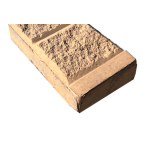
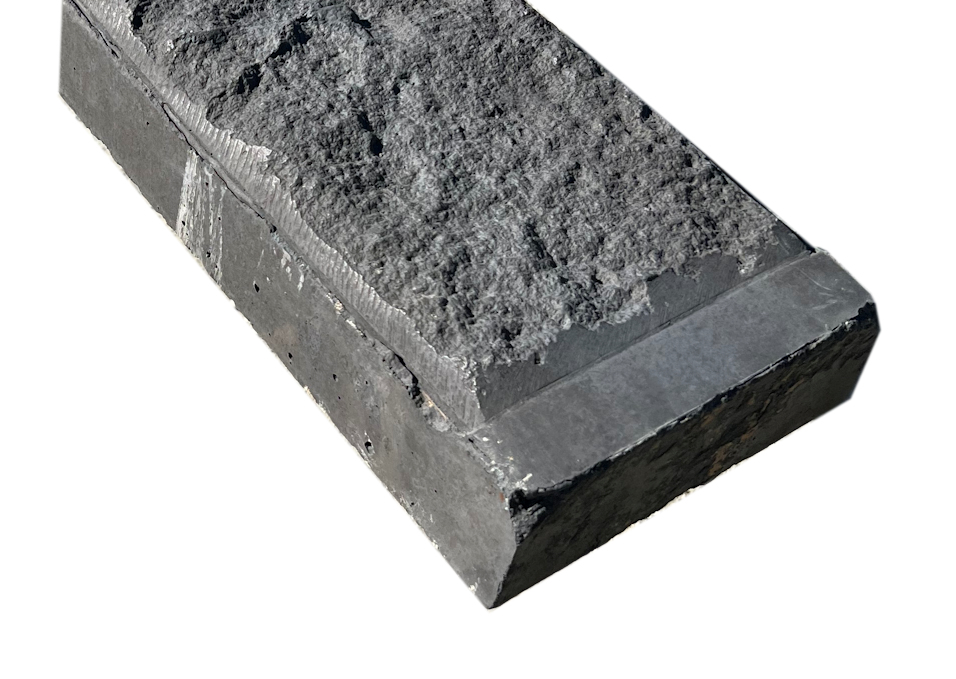
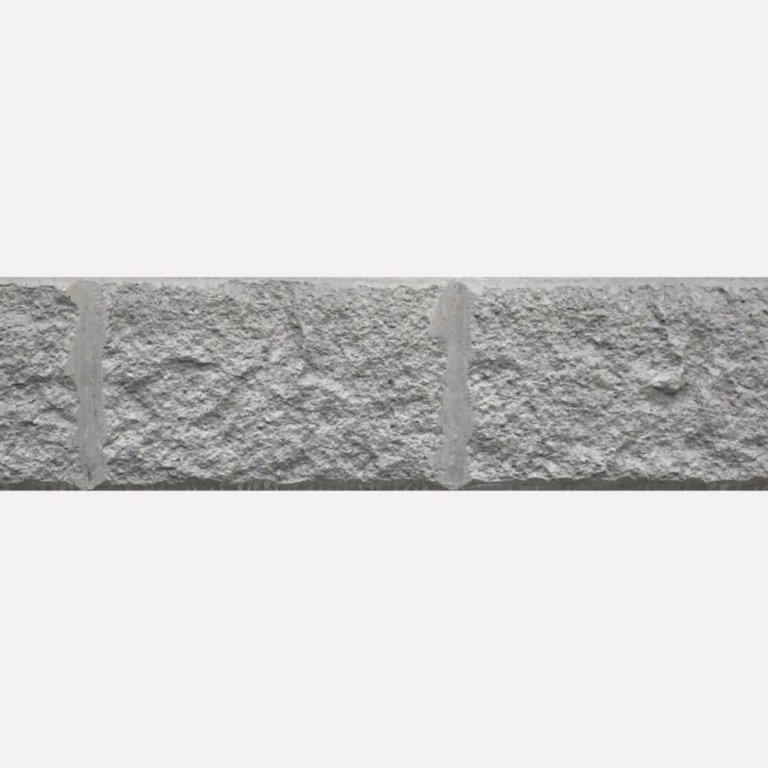
Please note Whilst all care has been taken to provide you with a good indication of colour, you should always sight product samples before use, due to natural variations in Colours & Sizes. Products may vary from image provided.
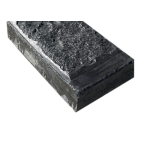
This Concrete Sleeper and Post Retaining Wall System provide strength, durability, and a low-maintenance retaining wall solution suitable for various landscaping situations.
It is easy to install and adapts seamlessly to its surroundings with several sleeper design options there’s sure to be one that compliments your property.
| Weight | 83.00 kg |
|---|---|
| Dimensions | 2400 × 75 × 200 mm |
| Supplier | |
| Price per m2 | $131.23 |
| Max Height | |
| Qty per m2 | |
| Application | Retainingwalls, vertical wall, straight, high retaining wall |
Retaining Wall Selection Procedure
Note: We recommend for walls greater than 2m in height, geotechnical advice be sought to verify the nature of the subgrade/backfill materials to be adopted for the design.
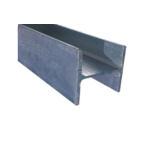
$133.00 each
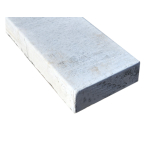
$60.00 each