
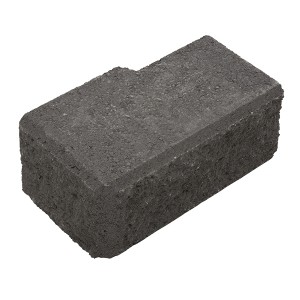


$16.62 each
Available
Please note Whilst all care has been taken to provide you with a good indication of colour, you should always sight product samples before use, due to natural variations in Colours & Sizes. Products may vary from image provided.
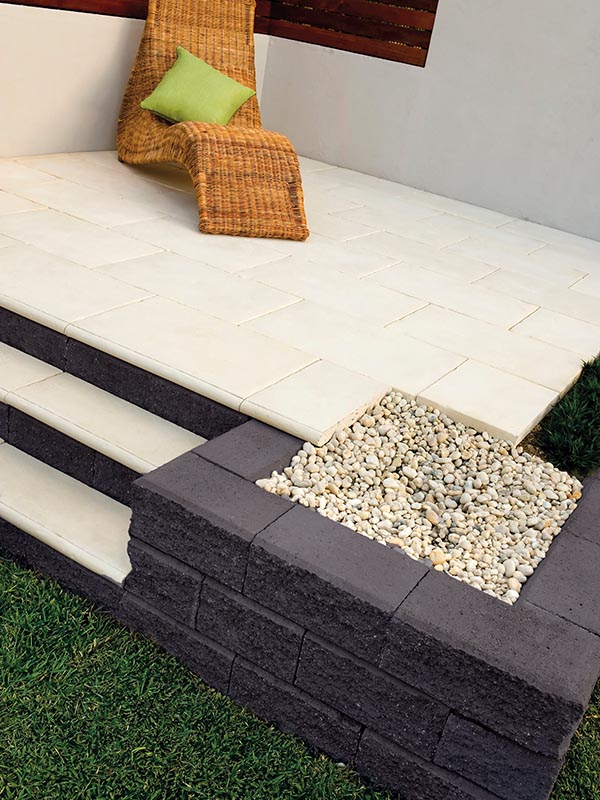
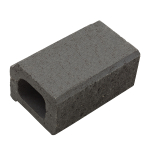
Linearwall with its bevelled, straight, split face finish and clever design makes building sleek contemporary walls child’s play. With its patented corner system, 90 degree corners are a breeze with no cutting required, making it perfect for the novice or the pro. No caps required here, saving you money and time: each unit has a finely textured, smooth face top, providing a ready-to-go finish for your project.
| Weight | 22.20 kg |
|---|---|
| Dimensions | 350 × 200 × 150 mm |
| Free Delivery | 3 full pallets and over (Conditions Apply) |
| Supplier | |
| Max Height | |
| Qty per pallet | |
| Application | Low retaining wall, straight wall, garden bed, garden edging, splitface |
National basic guide to wall building
Mark out the ground where your wall will be located (either by marking with stakes and a string line or by marking a line on the ground with spray paint). Excavate trench then compact roadbase into trench to form a levelling pad.
Place blocks side by side on the levelling pad using a string line along the back of the units for alignment. Level each unit side to side and front to back using your spirit level. Spend time making sure the first course of units is level, otherwise all ensuing courses and ultimately the entire wall will not be level.
Install an agricultural drain 150mm diameter behind your first course and surround with gravel (12-20mm sized gravel, e.g. blue metal). Shovel and compact your backfill (existing site soil) behind the drainage material. (Backfill consisting of heavy clays or organic soils is not recommended due to water holding properties).
Sweep the top of the previous course clean. Place the next course of units in a running bond pattern (i.e. with the vertical joints from the first course units halfway across the second course units). Pull each unit forward until it locks with the nib on the unit below. Place the drainage material behind the second course of units. Stack units, placing drainage material and compact backfill for each block height layer until your wall is complete.
Place capping units, if required, on the top course. It is recommended that caps be secured using a construction adhesive such as liquid nails™. Some capping may require the removal of nibs from the top course of blocks.
Please consult with regulating council for local design requirements prior to the construction of any retaining wall. Councils in general require that retaining walls be designed and certified by a suitably qualified engineer where the wall is over 0.5m in height and/or where there is a surcharge loading, such as a driveway, house or other structure near the wall.
A carefully planned Cleaning & Maintenance program is the best method to keep pavers looking good for years to come.
This is a salty deposit on the surface of pavers which appears as anything from strong, powdery, white blotches through to a fine white haze that can make pavers or blocks look “faded” and is generally the result of a chemical reaction that takes place as concrete cures. Efflorescence may also soak into pavers or blocks from salt deposits in adjacent materials such as bedding sand, joint sand or soil.
Rain will generally dissolve efflorescence and gradually wash it out of the paver or block over time. Stubborn patches may require cleaning with a stiff bristled nylon brush or colourless plastic scouring pad (do not use deeply coloured or metallic brushes or scourers as they will leave marks). It is important to brush away powder residue and then rinse and brush the area thoroughly with clean water after breaking up the efflorescence otherwise it may simply soak back in and re-stain the area again. If stronger methods are required, reputable sealers from manufacturers such as ENVIRONEX and Drytreat and other efflorescence cleaners are available through good Landscape Supply stores.
Soak the area with a domestic bleach or a solution of five parts water with one part pool chlorine. Leave for ten minutes then gently hose down before the solution dries.
For maximum protection, National Masonry™ recommends that all pavers should be sealed with a quality penetrating sealer following installation. Please check with a qualified tradesperson for advice on this process. National Masonry™ does not accept liability for stained or damaged pavers once laid.
WARNING: Hydrochloric acid is NOT recommended for use with concrete pavers as irreparable surface damage may occur.
$100.90 per m3
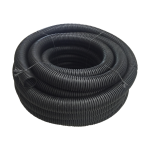
$50.00 each

$16.62 each
$7.84 each
